
PANS Support for Families
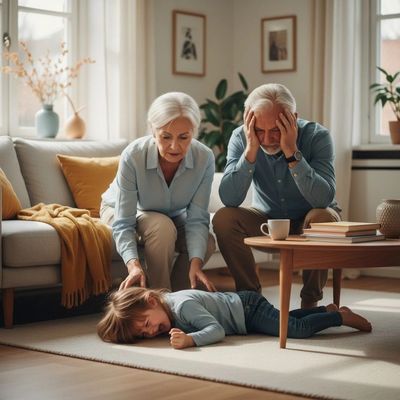
Understanding PANS & Supporting your Loved Ones
If someone you love is caring for a child (or adult) with PANS, you may be confused, worried, or unsure how to help. You may be scared about what you see happening to your grandchild, niece or nephew, or your friend's family. This page is meant to offer clear, grounded information—and to explain why families affected by PANS often need understanding, patience, and support.
What Is PANS?
Pediatric Acute-onset Neuropsychiatric Syndrome (PANS) is a serious infection-driven neuroimmune illness in which infections trigger immune and inflammatory responses that affect the brain.
Symptoms often appear suddenly and dramatically, and may include:
· Severe anxiety or panic
· Obsessive-compulsive behaviors
· Rage, emotional lability, or aggression
· Suicidal ideation or intrusive thoughts
· Regression or loss of previously mastered skills
· Motor or vocal tics (sometimes including abusive language)
· Sensory sensitivities, sleep disruption, new onset bedwetting, or eating restriction
· School avoidance
These changes are not behavioral choices. They reflect brain inflammation, immune dysfunction, and disrupted neurological signaling.
The Gravity of PANS & the Caregiver Burden
PANS is not only difficult for the child—it places an extraordinary burden on caregivers.
A peer‑reviewed study published in The Journal of Clinical Psychiatry found that caregivers of children with PANS experience extremely high levels of caregiver burden which was similar to caring for an adult with Alzheimer's. The severity of a child's symptoms was directly associated with increased caregiver stress and impairment (Frankovich et al. 2018). Another study by Tona et al. (2023) found that PANS caregivers and their families are traumatized by the illness, experience significant strain on their social relationships, and frequently report substantial financial and/or legal struggles due to their child's illness. This research underscores what families already know: caring for a child with PANS is physically exhausting, logistically taxing, and emotionally overwhelming.
Sources: Frankovich et al., 2018 — https://pubmed.ncbi.nlm.nih.gov/30549499/
Tona et al., 2023– https://pubmed.ncbi.nlm.nih.gov/37966363/
"But the Child Looks Fine…"
One of the most confusing aspects of PANS is that symptoms can wax and wane.
A child may appear fine one moment and be completely dysregulated the next. This inconsistency adds to the complexity of caregiving. This does not mean:
· The parents are exaggerating
· The child is being manipulative
· The family is inconsistent
It means the illness itself is fluctuating.
Why PANS Families Often Fall Through the Cracks
Families affected by PANS frequently find themselves without a clear place to turn. Primary care doctors rarely have the expertise to diagnose and treat PANS. Finding in-network specialists is rare, mainly because of the complexity of care.
- General medical hospitals are often not able to provide the intensive psychiatric and behavioral support needed when neuropsychiatric symptoms are severe.
- Psychiatric hospitals are typically not equipped to provide the medical evaluation or treatment required for an infection‑triggered neuroimmune illness. While they may provide much-needed stabilization, sometimes psychiatric stays do more harm than good.
As a result, families are left navigating a fragmented system—trying to coordinate care across multiple specialties that do not always communicate with one another.
Many families rely on a patchwork of providers, which may include:
· Medical specialists
· Mental health clinicians
· Educational advocates
· Out‑of‑network or out‑of‑state providers
Because PANS care is still poorly understood and inconsistently covered by insurance, families often face significant financial strain, travel burdens, and insurance barriers—on top of an already overwhelming caregiving role.
This is not a failure on the part of parents. It is a gap in the healthcare system.
Why this is So Hard on Families
PANS often:
· Disrupts normal child development and daily life
· Steals a sense of safety and predictability
· Forces parents into constant vigilance and advocacy
· Strains marriages and sibling relationships
· Interferes with the child's education and social development
· May interrupt parents' career plans
· Causes financial and legal struggles
· Isolates families socially because it is hard to participate in and reciprocate social engagements
Parents are not overreacting. They are responding to a life‑altering medical condition while doing their best to protect their child and family.
What Families Need Most from their Inner Circle
Families dealing with PANS often need:
· To be believed and their experience validated
· Emotional support without judgment or advice‑giving
· Patience and flexibility when plans change
· Provide support for the long haul
Well‑meaning advice like "you just need to be stricter," "try to relax," or "they'll grow out of it" can be misplaced and deeply hurtful—even when intended kindly. Can you imagine trying to correct inappropriate behavior of an adult with Alzheimers with traditional discipline?
How You Can Help
Support doesn't require medical knowledge.
Helpful actions include:
· Learn about PANS from reliable sources
· Recognize the seriousness of the illness
· Respecting boundaries around visits or conversations
· Offering specific help (meals, childcare, errands)
· Standing with parents when others doubt or question them
Sometimes the most powerful words are:
"I believe you. You will get through this."
There is Hope
Without appropriate care, PANS can turn deadly. On the other hand, with the right help, PANS patients can recover, heal, and go on to live happy and productive lives. Sadly, it is usually up to the parents to figure out how to find and access help. Please stand by them.
Parents are doing the difficult work of caring for a child whose brain is temporarily under siege. Usually they are doing it without the systemic supports they really need and deserve. Progress often comes unevenly. Healing is a rollercoaster and can take time. Sometimes lots of time.
Support from family and friends can make all the difference in a family's ability to endure this journey, reduce the risk of long‑term trauma, and be well again.
Thank You for Wanting to Understand
Taking the time to learn about PANS—and to approach affected families with compassion—matters more than you may realize. Your understanding helps reduce isolation and reminds families that they are not alone. You are welcome to book a consult with me if you want to learn more.